Tirupur Knitwear Units Stare at Closure as LPG Crisis Deepens

Share Post
Tirupur, one of India’s largest textile hubs, is facing a severe industrial crisis as an acute shortage of liquefied petroleum gas (LPG) threatens to shut down thousands of knitwear units. The situation has become critical, with industry leaders warning that many micro, small, and medium enterprises (MSMEs) may be forced to stop operations within a week if fuel supply is not restored.
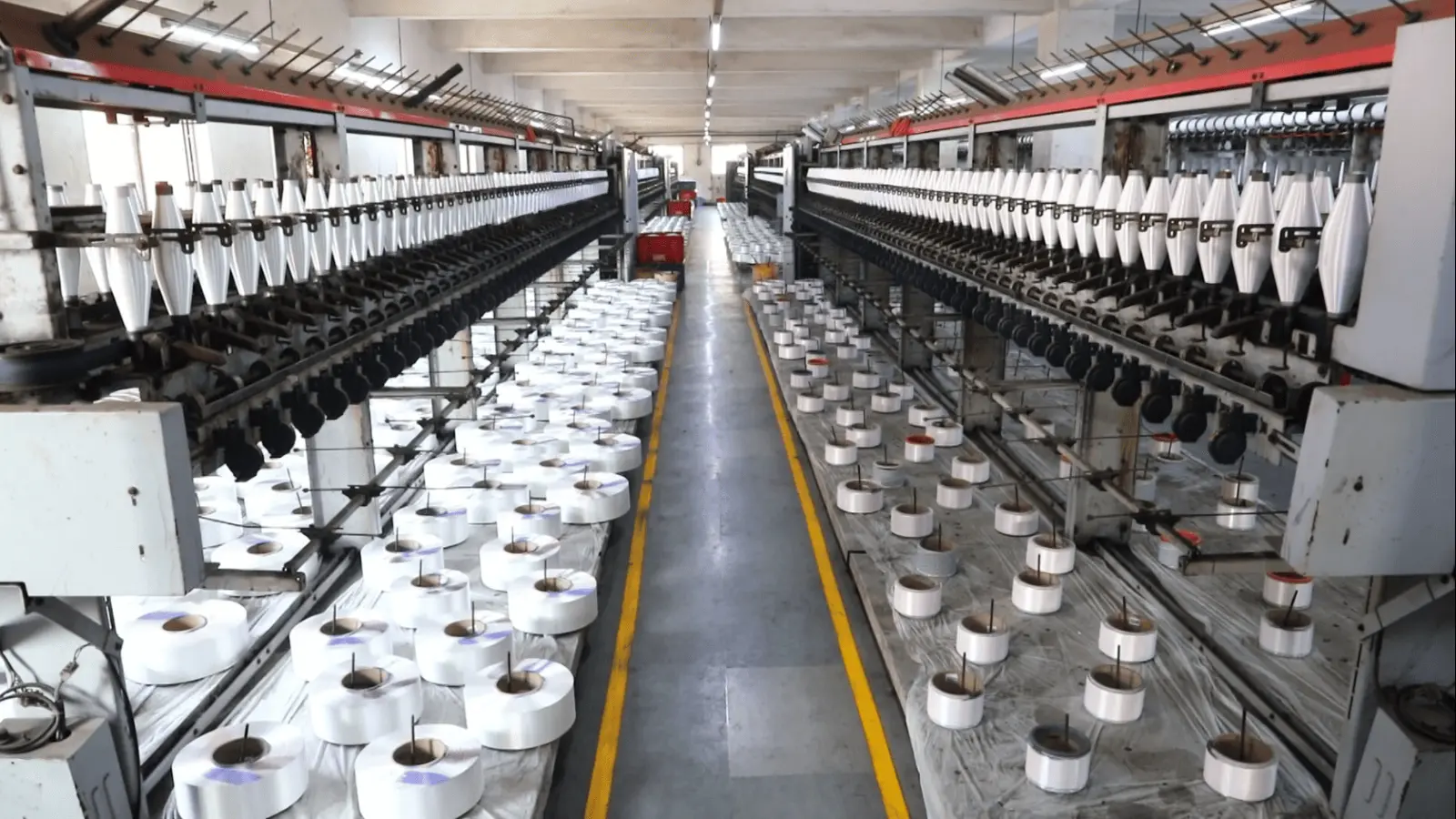
The Tirupur knitwear cluster, which consists of more than 20,000 units, heavily depends on LPG for essential manufacturing processes such as dyeing, printing, and fabric processing. According to industry estimates, the textile sector alone requires around 204 tonnes of LPG daily, while hotels, bakeries, and other support services consume an additional 150 tonnes. This brings the total daily requirement to nearly 350 tonnes, highlighting the scale of dependency on the fuel.
However, current LPG supplies are rapidly depleting and are expected to last only about a week. This has already begun affecting production schedules and export commitments, putting immense pressure on exporters who are trying to meet global demand timelines.
Industry representatives have compared the situation to the disruptions seen during the COVID-19 pandemic, stating that supply chain breakdowns are once again impacting operations. The Tirupur Exporters Association (TEA) has urged the Tamil Nadu government to intervene immediately and review the halt in commercial LPG supply to industries.
The crisis is not just limited to factories. Tirupur’s industrial ecosystem supports nearly four lakh workers, many of whom rely on factory canteens and local eateries for daily meals. With LPG becoming scarce and expensive, authorities are now considering setting up temporary community kitchens to ensure uninterrupted food supply for workers.
To manage the crisis, alternative solutions are being explored. The government has suggested a shift to compressed natural gas (CNG), which has relatively better availability. However, industry stakeholders point out that transitioning to CNG will require significant investment and infrastructure development, making it a long-term rather than immediate solution.
Another proposal includes using coal as an interim fuel, as there is reportedly sufficient stock available. Yet, this too requires logistical planning and may not fully replace LPG in certain textile processes.
Experts warn that even if global conditions improve, normal LPG supply may take three to four months to stabilize. If the shortage continues, it could lead to large-scale shutdowns, job losses, and disruption in India’s textile exports.
The Tirupur crisis reflects a larger issue affecting industries across India, where LPG shortages—largely driven by global supply disruptions—are forcing businesses to scale down operations and rethink energy dependence.
10:43 AM, Mar 23
.webp)