

Surat Textile Units Shift to 12-Hour Operations to Cut Output Amid Rising Costs
Share Post
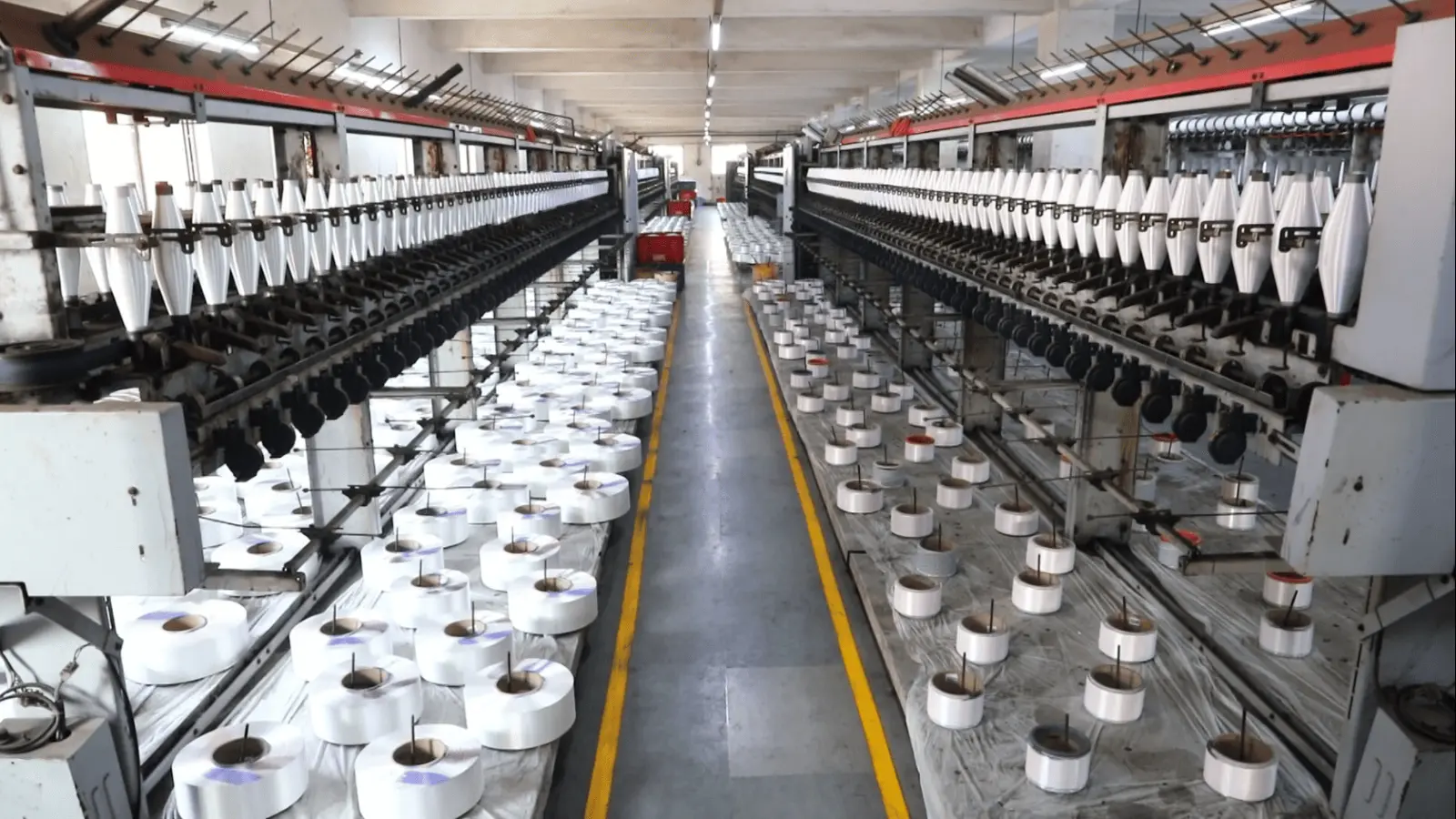
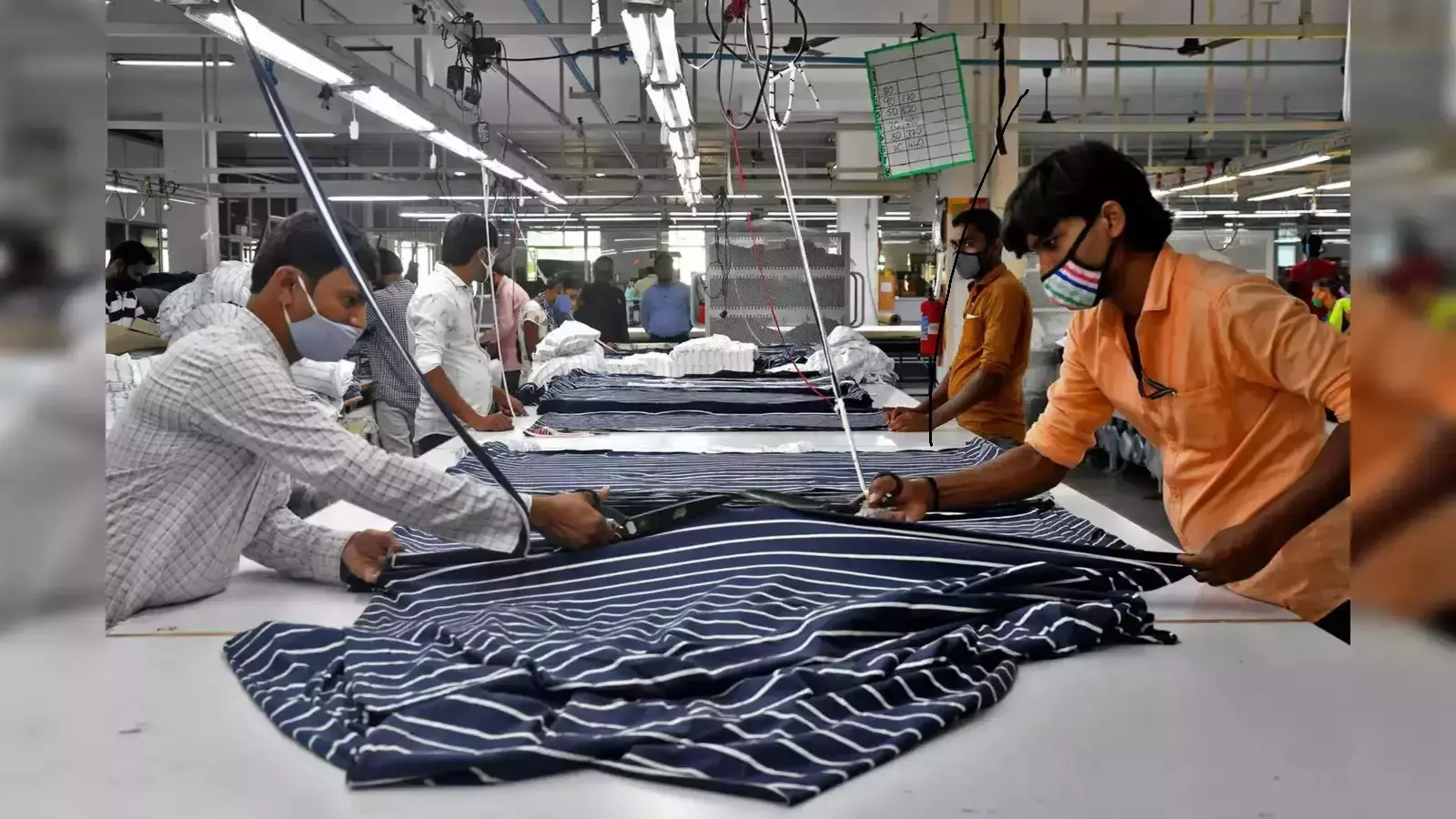
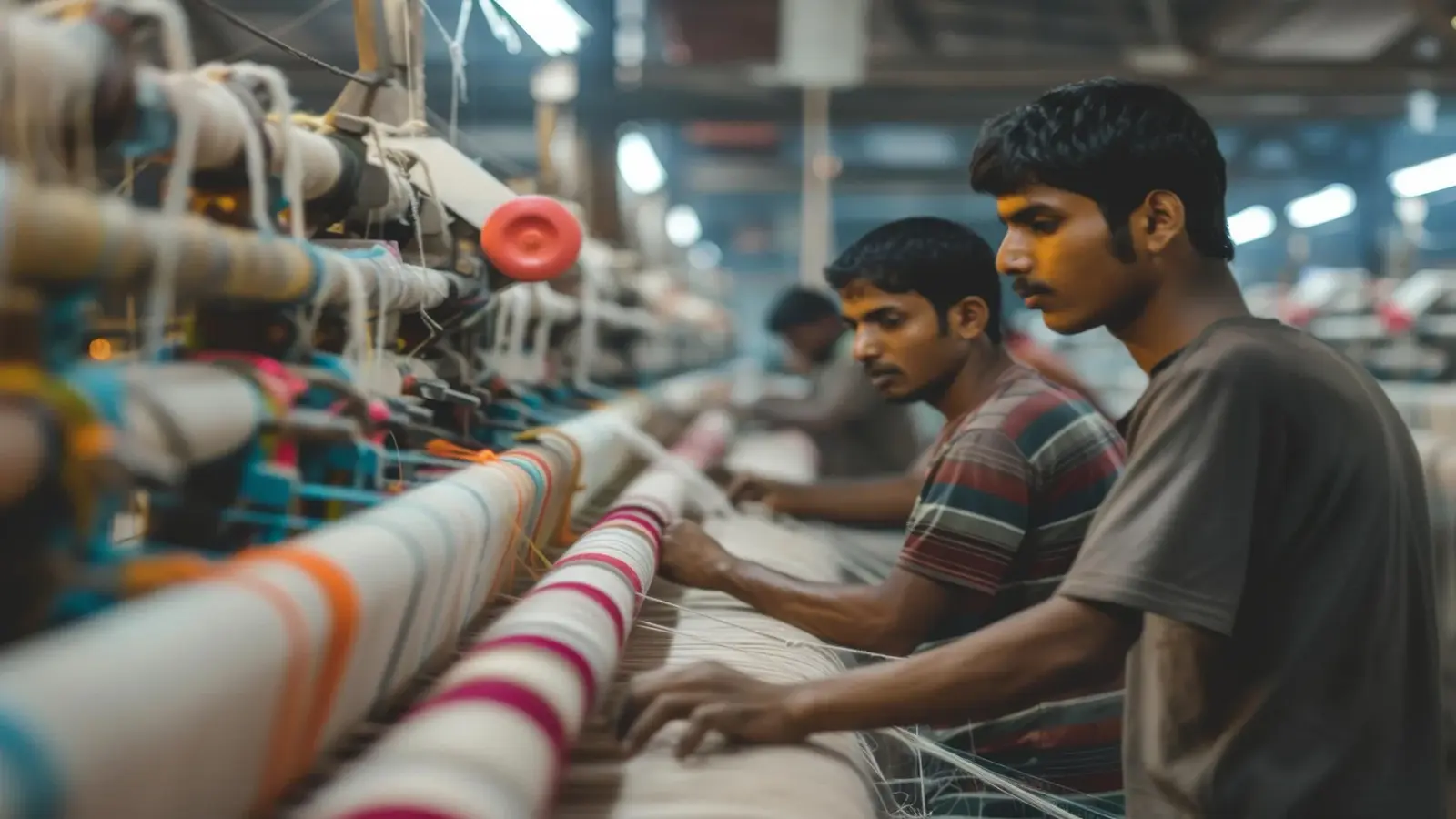
In a significant move reflecting the ongoing stress in India’s textile sector, weaving units in Surat have decided to switch to a single 12-hour work shift in an effort to reduce production and manage rising operational costs.
The decision was taken collectively by multiple weaving associations across the city, marking a coordinated industry response to the dual challenge of increasing raw material prices and weakening demand in both domestic and export markets.
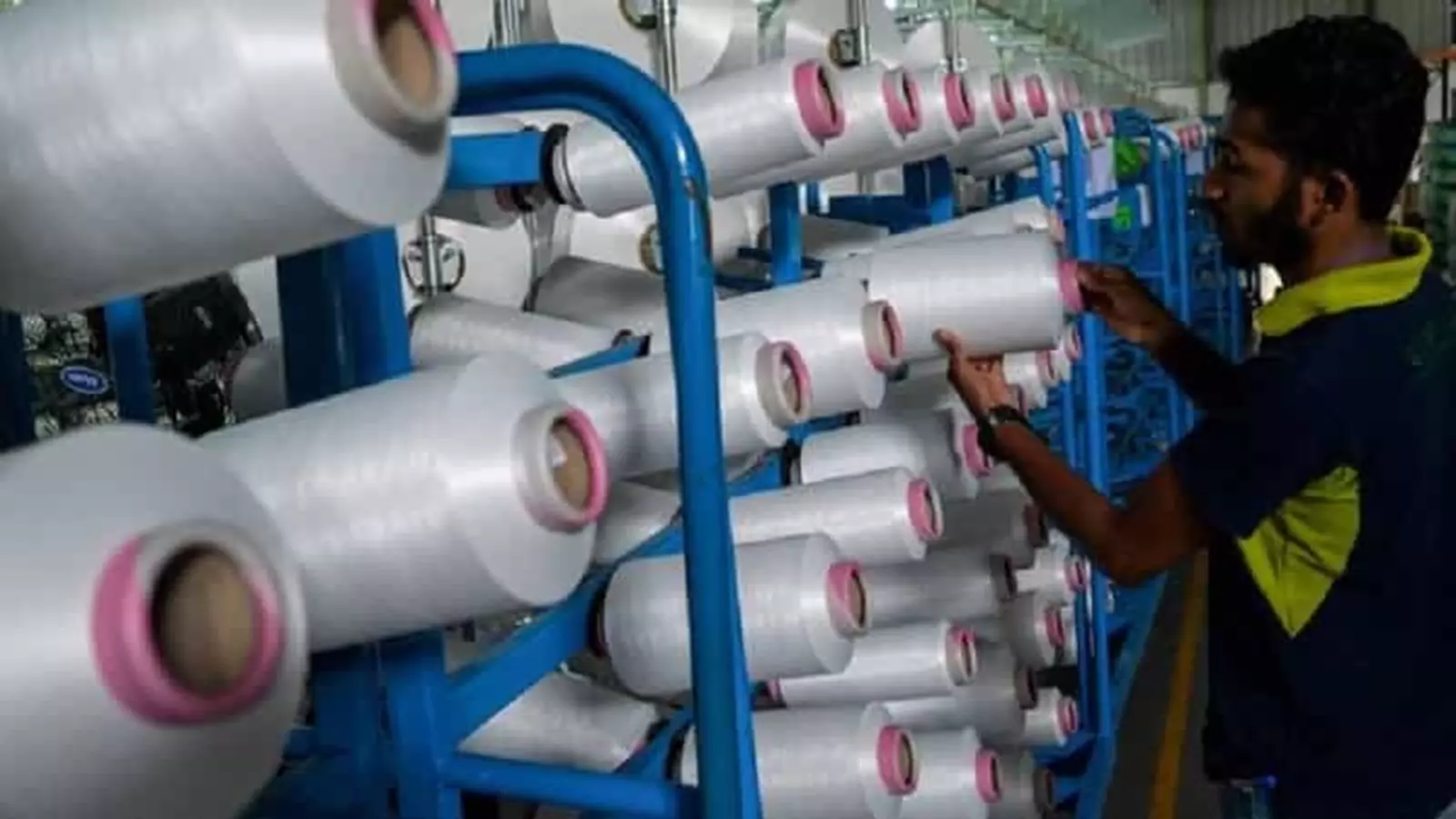
Industry sources said that the sharp rise in yarn prices has severely impacted profit margins, making it difficult for manufacturers to sustain previous levels of production. At the same time, demand for finished fabrics has remained subdued, leading to inventory build-up and financial strain on unit owners.
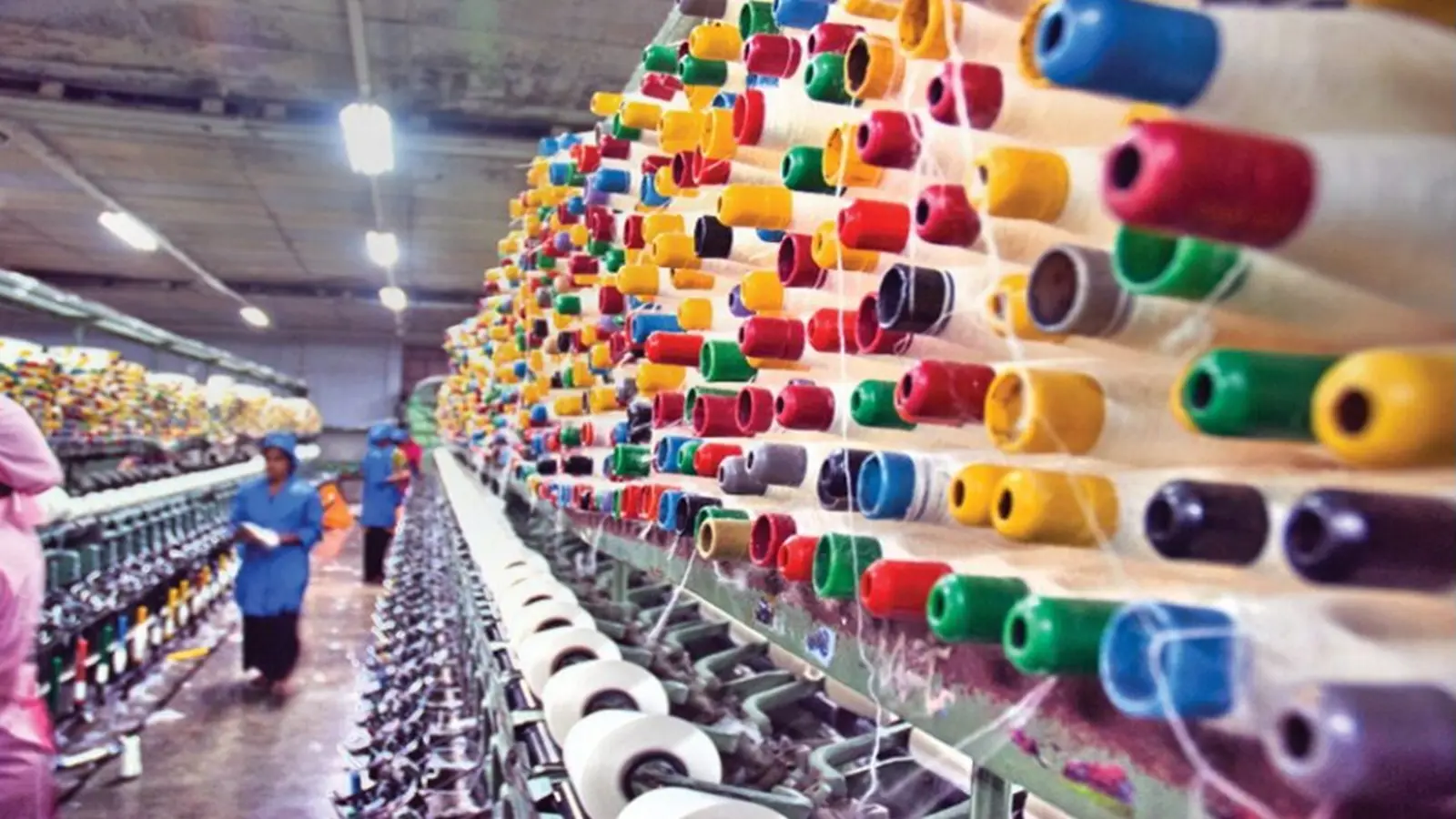
Surat, known as India’s largest man-made fabric hub, produces nearly 6 crore metres of fabric daily, making it highly sensitive to fluctuations in raw material costs and market demand. The current slowdown has forced stakeholders to adopt corrective measures to avoid further losses.
The shift to a 12-hour cycle is expected to significantly reduce daily output while allowing units to continue operations without resorting to closures or large-scale layoffs. Industry leaders believe that controlling supply will help stabilize prices and gradually restore market balance.
The move also comes amid broader concerns affecting the textile industry, including labour challenges and global uncertainties that have disrupted supply chains and trade flows. Rising logistics and fuel costs have further added to the pressure on manufacturers.
According to industry representatives, the decision is temporary and will remain in place until demand improves and cost pressures ease. For now, the focus remains on maintaining sustainability and protecting the long-term viability of textile businesses in the region.
The development highlights the cautious approach being adopted by textile hubs across India, as the sector navigates a challenging phase marked by cost pressures and uncertain market conditions.
11:15 AM, Mar 31
.webp)


1.webp)





1.webp)


1.webp)

1.webp)


1.webp)


1.webp)

1.webp)
.webp)
1.webp)
1.webp)


1.webp)
1.webp)
1.webp)


1.webp)
1.webp)



1.webp)


1.webp)
1.webp)


1.webp)

1.webp)


1.webp)


1.webp)
1.webp)
1.webp)


1.webp)
1.webp)


1.webp)


1.webp)

1.webp)

1.webp)
1.webp)
1.webp)


1.webp)

1.webp)


1.webp)


1.webp)


1.webp)




1.webp)


1.webp)

1.webp)
1.webp)
1.webp)

1.webp)
.webp)



1.webp)

1.webp)






1.webp)










1.webp)

1.webp)


.png)



.jpg)


_(1)1.jpeg)


1.jpeg)