Silk Samagra-2 Boosts India’s Sericulture Sector with ₹4,424 Crore Support
.webp)
Share Post
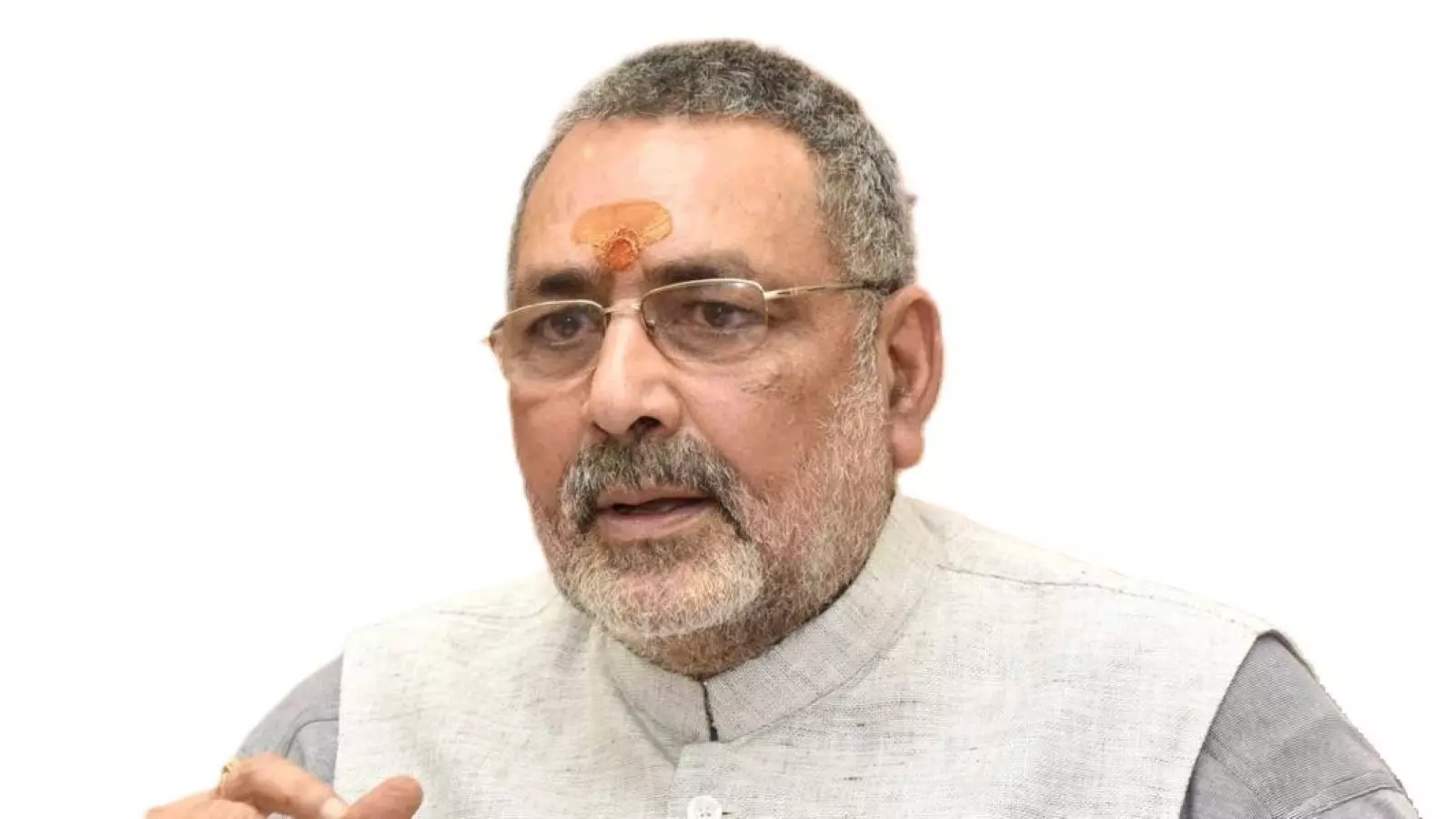
India’s sericulture sector is witnessing renewed momentum under the Silk Samagra-2 scheme, a flagship initiative designed to improve silk production, productivity and quality while strengthening rural livelihoods. According to information shared by Union Textiles Minister Giriraj Singh, the government has allocated ₹4,424.90 crore for the scheme between FY 2021-22 and January 2026, of which ₹4,390.68 crore has already been released.
The initiative aims to modernise India’s silk ecosystem through technology support, infrastructure development and direct beneficiary assistance. A significant portion of the funds about ₹1,374.44 crore has been released to states and Union Territories based on their project proposals for beneficiary-oriented activities. Implemented through the Central Silk Board under the Ministry of Textiles, the scheme reflects the government’s broader strategy of strengthening natural fibre sectors while improving farmer incomes and employment opportunities.
Over One Lakh Beneficiaries Supported Under the Scheme
The Silk Samagra-2 programme has played an important role in supporting sericulture farmers, reeling units and grassroots textile entrepreneurs. Official data shows that 1,12,385 beneficiaries have been supported between 2021-22 and February 2026, demonstrating the scheme’s wide outreach. Key beneficiary highlights include:
- 65,566 sericulture farmers supported
- 6,141 reeling and re-reeling units assisted
- Support for Automatic Reeling Machines and multi-end reeling units
- Assistance to Vanya silk and small reeling units
- Promotion of skill development and entrepreneurship
The scheme has also emphasised inclusive development. Among the beneficiaries, 81,554 belong to the general category, while 13,505 beneficiaries are from Scheduled Caste communities and 17,326 from Scheduled Tribe communities, highlighting the programme’s role in expanding social participation within the textile sector.
State Funding Strengthens Regional Textile Development
The government’s funding pattern shows a strong focus on regional textile development through targeted state-level investments. Karnataka received the highest funding allocation, followed by Tamil Nadu, Assam, Uttar Pradesh and Andhra Pradesh.
Major funding allocations include:
- Karnataka – ₹307.64 crore
- Tamil Nadu – ₹190.69 crore
- Assam – ₹89.35 crore
- Uttar Pradesh – ₹89.05 crore
- Andhra Pradesh – ₹87.59 crore
Additional support has also been provided to states such as Arunachal Pradesh, Chhattisgarh, Mizoram and Bihar, along with several North-Eastern regions to strengthen silk infrastructure, training programmes and employment generation. Industry experts believe that schemes such as Silk Samagra-2 are crucial for enhancing India’s competitiveness in the global silk market while promoting rural industrialisation. By integrating farmer support, technology upgrades and skill development, the scheme is helping to create a more resilient and inclusive sericulture ecosystem.
As demand for natural fibres grows globally, India’s continued investment in silk development could further strengthen its position as one of the world’s leading silk producers.
02:51 PM, Mar 16
.webp)